
To start a reading habit that sticks, attach reading to something your child already does every day, keep the first sessions short (five to ten minutes), and let them choose books by interest rather than by reading level. Habits form through repetition in a stable context, so the early goal is not more minutes. It is the same small moment, in the same spot, at the same time, repeated often enough that opening a book stops feeling like a decision. A low bar you hit every day beats an ambitious plan that fizzles by the second week.
This guide focuses on the first few weeks, when a reading habit is most fragile and most worth protecting.
What Makes a Reading Habit Stick in the First Place
A habit is a behavior your brain has automated so it no longer needs a decision. Researcher Phillippa Lally and colleagues at University College London tracked how long that automation takes. In their 2010 study in the European Journal of Social Psychology, new habits took a median of 66 days to feel automatic, with a wide range from 18 to 254 days depending on the person and the behavior. The practical takeaway for parents is patience. Two weeks of nightly reading is a strong start, not a finished habit.
Every habit runs on the same loop: a cue that triggers it, the routine itself, and a small reward that makes your brain want to repeat it. For young kids the most reliable cue is context rather than a clock. “After we brush teeth” works better than “at 7:30” because the toothbrush is a thing they can see and do. The reward can be as simple as your undivided attention, a page they got to turn, or the next chapter of a story they care about.
Keep the first bar almost embarrassingly low. Five minutes counts. One picture book counts. Rereading the same favorite for the tenth night counts. The point in week one is not volume. It is teaching your child that reading is a normal, pleasant part of the day that always happens.
How to Set Up Reading So It Feels Easy to Return To
Most reading habits die from friction, not from a lack of willpower. If finding a book means hunting through a messy shelf while a sibling watches TV nearby, the habit loses. Your job is to make starting almost effortless and to make the competing pull a little harder to reach.
Reading Rockets, the literacy resource from public media station WETA, recommends building a print-rich home where books are visible and within reach rather than filed away. A basket of books by the couch, a small stack on the nightstand, and a decent reading lamp do more for consistency than any chart. Put the tablet or phone in another room during the reading window so the easiest thing to grab is a book.
Pick one spot and use it every time. A particular corner of the couch, one end of a bed, a beanbag by the window. The location itself becomes part of the cue, and after a couple of weeks your child will start to associate that spot with the calm of a story.
Choosing the First Books: Why Book Fit Matters More Than Reading Level Alone
The fastest way to stall a new reader is to hand them a book that is technically at their level but bores them. Interest is the engine. A child who is captivated will happily wrestle with words a little above their comfort zone, and a child who is bored will abandon a book that is a perfect Lexile match.
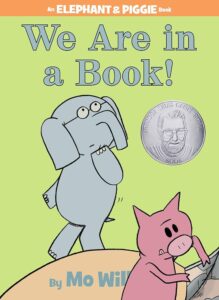
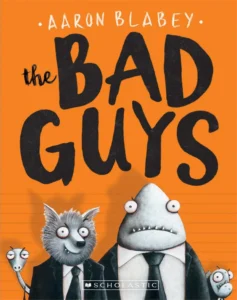
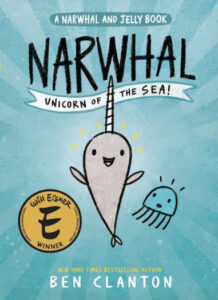
Let your child steer toward what they actually like: trucks, dragons, jokes, cats, soccer, spooky stories. Graphic novels and joke books count as real reading and are often the on-ramp reluctant readers need. For early and newly independent readers, series like Elephant & Piggie by Mo Willems, Dog Man by Dav Pilkey, The Bad Guys by Aaron Blabey, and Narwhal and Jelly by Ben Clanton earn their reputation because kids ask for the next one.
 1
1
Elephant & Piggie
- Author
- Mo Willems
- Genre
- Early Reader
- Good for
- Early readers who need a fast, funny win
 2
2
Dog Man
- Author
- Dav Pilkey
- Genre
- Graphic Novel
- Good for
- Reluctant readers who love comics
 3
3
The Bad Guys
- Author
- Aaron Blabey
- Genre
- Illustrated Chapter Book
- Good for
- Short, illustrated stories that make kids laugh
 4
4
Narwhal and Jelly
- Author
- Ben Clanton
- Genre
- Early Graphic Novel
- Good for
- Newly independent readers who want something gentle and silly
A quick check for fit is the five-finger rule: have your child read a page and put up a finger for each word they cannot figure out. Around five on a single page usually means the book is a stretch for solo reading, so it is a great read-aloud instead. Use level as a guide, not a gate, and let enthusiasm break the tie.
How to Build Reading Into the Parts of the Day That Already Exist
You do not need to carve out a new block of time. You need to bolt reading onto a routine that already runs on autopilot. Habit researchers call this stacking: pair the new behavior with an established one so the old habit becomes the cue for the new one.
Bedtime is the classic anchor because it is already calm and predictable. “Pajamas, teeth, then two books in bed” turns reading into the last reliable beat of the day. Breakfast works for families whose mornings have a few quiet minutes, with a book propped by the cereal bowl. Car rides and school pickup lines are ideal for audiobooks, which build vocabulary and story sense even when no one is looking at a page.
Say the plan out loud so your child knows what to expect: “After dinner we read on the couch for a bit, then it’s bath time.” Predictability lowers resistance. When the sequence is fixed, reading stops being a nightly negotiation.
Resetting the Habit When a Child Loses Interest or Falls Off
Every reading habit dips. A busy season, a bad book, a growth spurt, or a stretch of exhaustion will break the streak, and that is normal rather than a sign of failure. What matters is how you restart, not that you slipped.
When interest fades, shrink the bar before you do anything else. Drop back to three minutes or one page and let easy wins rebuild momentum. Change the book if it is the problem, and give your child full permission to abandon a story they are not enjoying. Forcing a slog teaches kids that reading is a chore. Rereading old favorites is also a legitimate reset, since the comfort of a known story lowers the effort of showing up.
Switch formats when a rut sets in. A graphic novel, an audiobook, a magazine, or a joke book can all carry the habit through a slump. Avoid turning reading into a punishment or a bargaining chip, because linking books to conflict is the surest way to make a child associate reading with stress.
Once the habit is running, a little visible progress helps it stick. Some families use a simple reward chart or a streak calendar to make progress feel real, and a habit tracker app can do the same job on a phone.
 5 min read