
A good back-to-school book helps a child feel more ready for middle school by letting them see their own worries handled by a character first. Starting middle school brings new routines, new people, and plenty of nerves, and a relatable story can be quietly reassuring, and a natural way to open a conversation. Below are six reassuring picks for children starting middle school, plus how to match them to specific worries and use them to start reading conversations at home.
Why Back-to-School Books Can Help Children Feel More Ready for Middle School
Stories give kids a safe way to rehearse a big change before it happens. Reading about a character who is nervous about a new school, unsure where to sit, or worried about friendships lets a child see that those feelings are normal, and watch someone else get through them. That is reassuring in a way a pep talk often is not.
Books also give worries a shape and a name. A child who cannot quite explain their nerves may recognize them in a story, which makes the feelings easier to talk about and less overwhelming.
6 Back-to-School Books for Children Starting Middle School
These six titles speak directly to the middle-school transition, from new-school nerves to shifting friendships and feeling different. Several are graphic novels or funny reads, which work especially well for anxious or reluctant readers.
 1
1
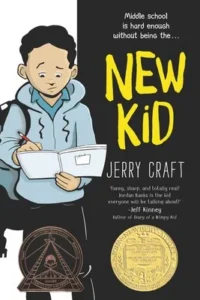
New Kid
A funny, honest graphic novel about being the new kid and finding where you fit. Reassuring for any child worried about starting somewhere new.
- Author
- Jerry Craft
- Genre
- Graphic Novel
- Good for
- Ages 8–12
 2
2
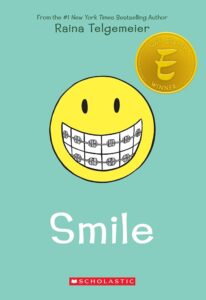
Smile
An autobiographical story of braces, friendships, and middle-school self-consciousness. Kids see their own worries reflected and laugh along the way.
- Author
- Raina Telgemeier
- Genre
- Graphic Novel
- Good for
- Ages 8–12
 3
3
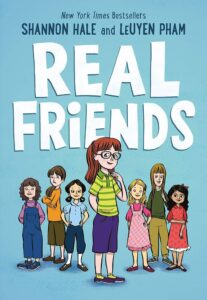
Real Friends
A relatable look at shifting friendships and finding your people. Helpful for a child navigating the social changes that come with a new school.
- Author
- Shannon Hale
- Genre
- Graphic Novel
- Good for
- Ages 8–12
 4
4
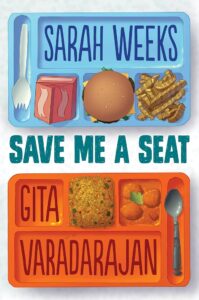
Save Me a Seat
Two very different boys survive a tough first week and become unlikely friends. A warm, funny read for new-school nerves.
- Author
- Sarah Weeks & Gita Varadarajan
- Genre
- Realistic Fiction
- Good for
- Ages 8–12
 5
5
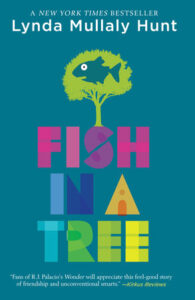
Fish in a Tree
A girl who has hidden her reading struggles finds a teacher who believes in her. Encouraging for any child who feels different at school.
- Author
- Lynda Mullaly Hunt
- Genre
- Realistic Fiction
- Good for
- Ages 8–12
 6
6
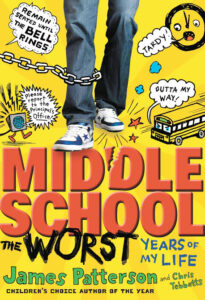
Middle School: The Worst Years of My Life
A funny, illustrated take on surviving middle school by breaking every rule. Light and fast, it eases nerves with laughter, especially for reluctant readers.
- Author
- James Patterson
- Genre
- Humor
- Good for
- Ages 9–12
The Best Picks for Children Dealing With Nerves, New Routines, or Big School Changes
Match the book to the worry. For a child anxious about being new or fitting in, New Kid and Save Me a Seat center exactly that experience. For a child worried about changing friendships, Real Friends and Smile capture the social shifts of these years with honesty and humor.
For a child who feels different or doubts themselves, Fish in a Tree is quietly encouraging, and for a nervous or reluctant reader who needs to laugh, Middle School: The Worst Years of My Life turns the whole ordeal into comedy. The goal is recognition, so pick the story closest to what your child is feeling.
How YOMU Helps Families Find Better-Fit Books for School Transitions
Finding the right book for a specific moment can be hard, and that is where YOMU helps. It matches kids with books that fit their age, reading level, and interests, so a child heading into a transition can find a story that actually speaks to them. Parents get a clearer view of what their child is reading and enjoying.
A well-matched book is more likely to be finished and to resonate, which is exactly what you want ahead of a big change. For related help, see our guide to understanding a reluctant reader.
How to Use a Back-to-School Book to Start Reading Conversations at Home
A shared book is a low-pressure way to talk about the transition. Read it together or alongside your child, then ask open questions like what they would do in the character’s place, or whether they have ever felt the same way. Let the story, rather than a direct interrogation, carry the conversation.
Keep it casual and follow your child’s lead. Sometimes the book does all the work, and simply reading about a character who makes it through is reassurance enough. To keep the reading habit strong through the year, see our guide to reading skills for kids.
 4 min read